
CartonCraft Incorporated is a renowned folding carton manufacturer located in Saint Charles, IL. For over 30 years CartonCraft Inc. has been creating value for customers through a culture of collaboration and innovation; at CartonCraft we deliver folding carton solutions that help customers meet their goals.
CartonCraft designs, manufactures, warehouses, and ships folding cartons to any location. We assist customers with inventory management and just-in-time delivery solutions. CartonCraft is an industry leader in Sustainable Packaging Solutions, with a myriad of options to suit any product and budget.
Today we are humbled by the loyalty of our customers, whose folding cartons are found on retail shelves and in quick service restaurants nationwide. Contact us today to Experience the Difference.
industries
Whether you’re packaging food, school supplies, or even pharmaceuticals, CartonCraft is your one-stop packaging supplier.
Animal Health & Pet Care

Automotive

Beauty and Fragrance

Candy Confections

Entertainment & Electronics

Food and Beverage

Hardware

Health and Nutrition

Household, Home & Garden

Office and School Supplies

Personal Care & Wellness

Pharmaceutical

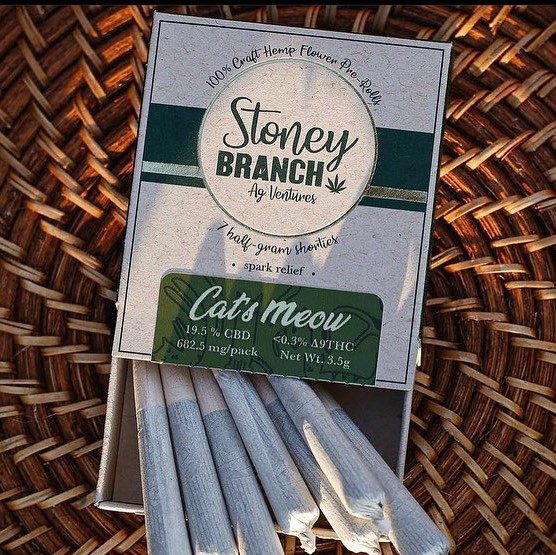
Cannabis Packaging











news




-
2900 Dukane Dr, Suite 2
St. Charles, IL 60174 -
(630) 377-1230
-