Rising tariffs and aggressive trade enforcement have fundamentally changed the economics of imported packaging. In 2026, brands are no longer shifting to domestic manufacturing for convenience – they’re doing it to avoid mounting tariff costs and long-term trade risk.
Tariffs Have Eliminated the Cost Advantage of Imports
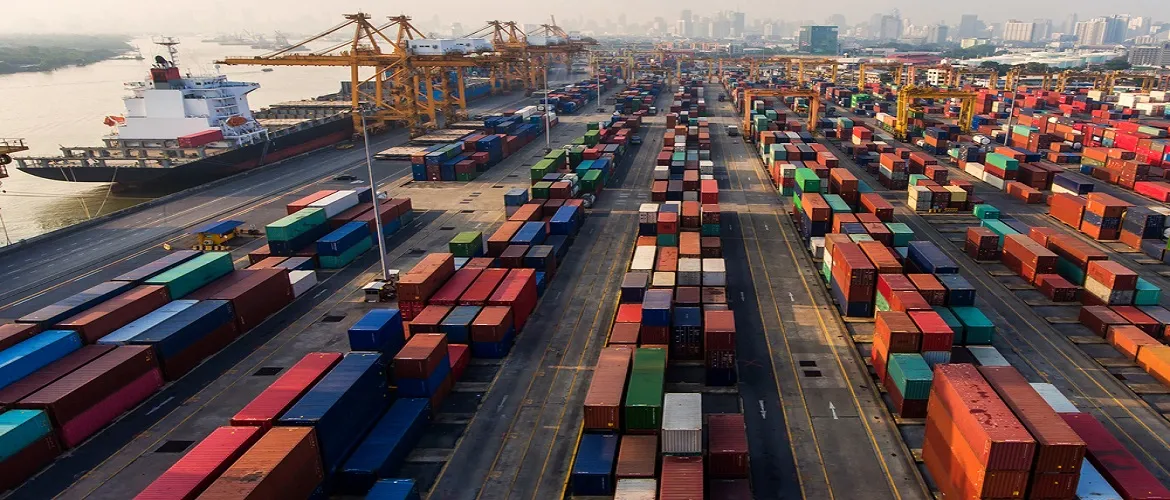
Packaging imported from China is now commonly subject to multiple layers of duties, including standard customs duties, Section 301 tariffs, and, in some cases, antidumping and countervailing duties. When combined, these tariffs often erase any upfront unit-cost savings and significantly increase total landed costs.
Vietnam, once viewed as a lower-risk alternative, is also under increased scrutiny as U.S. trade enforcement expands. Ongoing investigations signal that tariff exposure is widening, not shrinking.
Trade Enforcement Is a Long-Term Reality
Preliminary findings from the U.S. International Trade Commission indicate that domestic manufacturers have been harmed by low-priced imports of certain packaging products. If finalized, antidumping and countervailing duty orders typically remain in place for at least five years.
For brands, this means tariff risk is not temporary. Importing packaging now carries long-term cost uncertainty that complicates pricing, forecasting, and supply chain planning.
Domestic Packaging Removes Tariff Risk Completely
Sourcing packaging domestically eliminates tariffs altogether. U.S.-made packaging is not subject to customs duties, Section 301 tariffs, or trade enforcement penalties. Pricing remains stable regardless of international trade disputes, allowing brands to plan with confidence.
This shift is why many companies now find domestic packaging to be cost-competitive, or even lower cost, once total landed expenses are considered.
Additional Benefits Reinforce the Tariff Advantage
While tariffs are the primary driver, domestic manufacturing also delivers:
- Shorter lead times measured in weeks, not months
- Lower inventory requirements and improved cash flow
- Greater flexibility for design changes and promotions
- Faster issue resolution through direct communication
- Stronger alignment with U.S. regulatory and material safety standards
Why Brands Choose CartonCraft
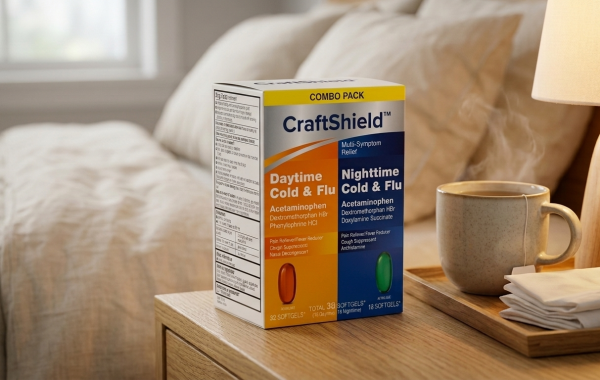
CartonCraft Inc. manufactures folding cartons and paperboard packaging entirely in the United States, eliminating tariff exposure while meeting the highest industry standards.
- SQF Level 3 certified for direct food and beverage contact
- ISO 13485 certified by MedDQS for pharmaceutical and medical device packaging
- FSC and SFI certified for responsibly sourced materials
- Multiple U.S.-based facilities for supply chain continuity
Tariffs Are Reshaping Packaging Strategy in 2026
As trade enforcement continues, domestic packaging is no longer a secondary option—it is a strategic response to a permanent shift in global trade policy.
Ready to evaluate domestic packaging alternatives?
Contact CartonCraft Inc at (630) 377-1230 or visit www.cartoncraftinc.com to compare imported versus domestic packaging costs and eliminate tariff exposure.